
At Novo Endocrinology, we recognize the importance of understanding providing comprehensive and patient-centered care. This article aims to shed light on how diabetes can influence thyroid function and vice versa, underscoring the necessity of integrated management.
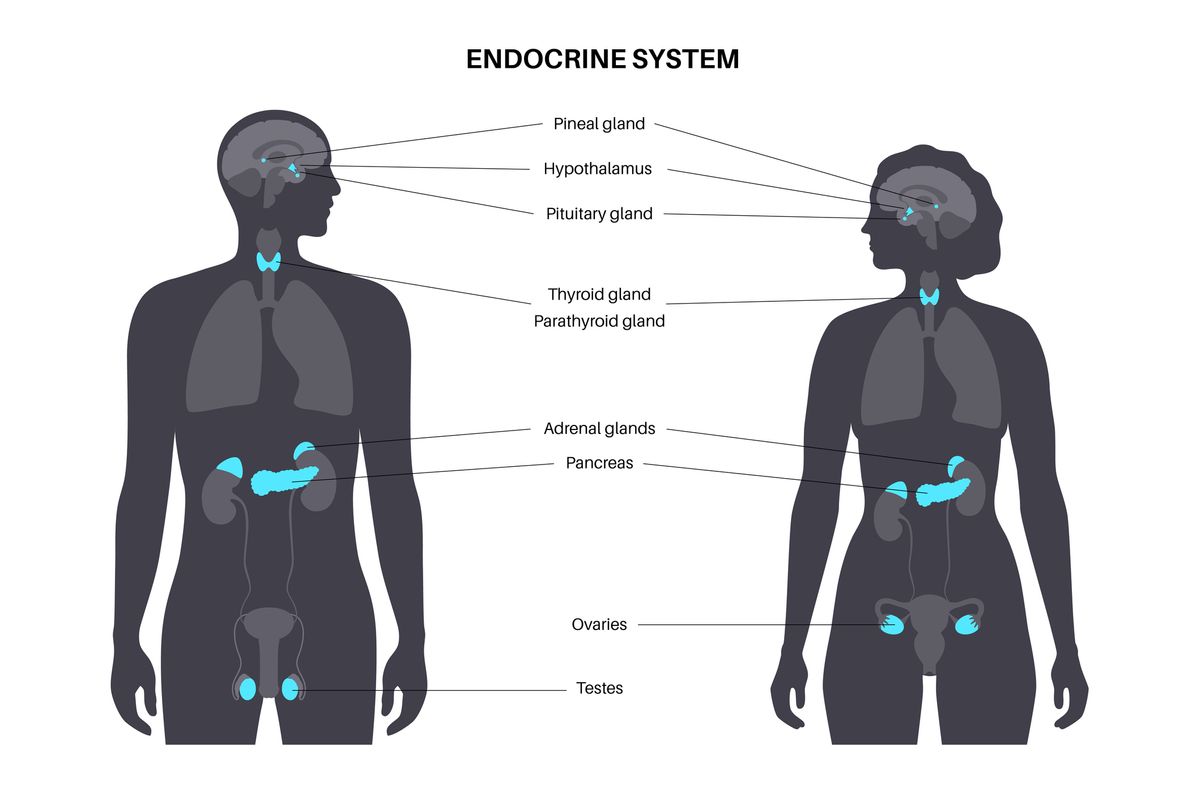
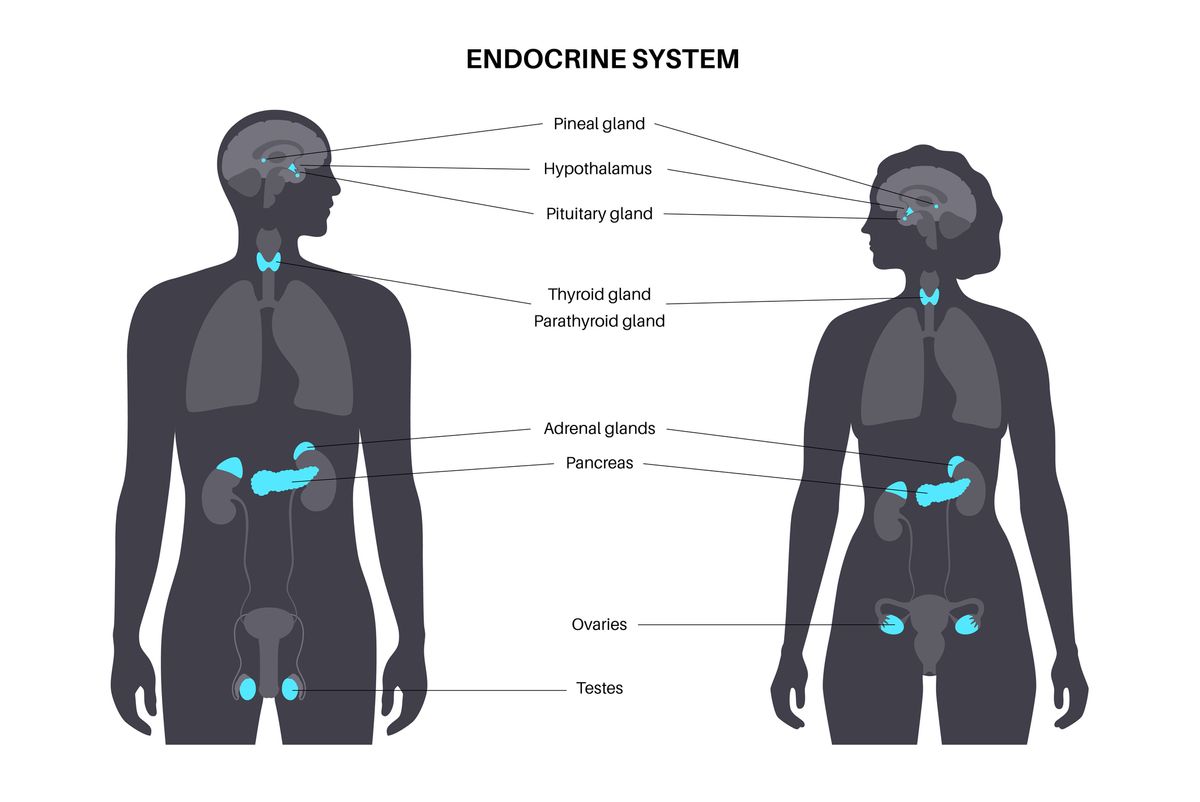
The Endocrine System: A Network of Interconnected Glands
The endocrine system is a sophisticated network of glands that produce and secrete hormones, regulating nearly all processes in the body. Both diabetes, primarily involving the pancreas, and thyroid disorders, stemming from the thyroid gland, are core components of this system. The pancreas produces insulin, critical for glucose metabolism, while the thyroid gland produces hormones that regulate metabolism, energy levels, heart rate, and body temperature. While seemingly distinct, these two vital systems do not operate in isolation; dysfunction in one can often precipitate or exacerbate issues in the other.
How Diabetes Can Affect Thyroid Function
Individuals with diabetes, particularly type 1, have a significantly higher risk of developing autoimmune thyroid diseases, such as Hashimoto's thyroiditis (leading to hypothyroidism) or Graves' disease (leading to hyperthyroidism). This increased susceptibility is due to shared genetic predispositions and immune system dysregulation. For those with type 2 diabetes, while the link to autoimmune thyroid disease is less pronounced, there's still an elevated incidence of thyroid dysfunction, including subclinical hypothyroidism. Chronic high blood sugar levels and the metabolic stress associated with diabetes can also impact the conversion of thyroid hormones, potentially leading to impaired thyroid function over time. Recognizing these connections is crucial for any Austin diabetes specialist.
The Impact of Thyroid Dysfunction on Diabetes Management
The bidirectional relationship means that thyroid dysfunction can also profoundly affect diabetes control. Hypothyroidism, or an underactive thyroid, can slow down metabolism, leading to weight gain, increased insulin resistance, and poorer glycemic control in diabetic patients. It can also elevate cholesterol levels, adding to cardiovascular risk. Conversely, hyperthyroidism, an overactive thyroid, can accelerate metabolism, leading to increased blood sugar levels, greater insulin requirements, and a higher risk of diabetic ketoacidosis, especially in type 1 diabetes. Effective management of diabetes in Austin often requires a holistic view that includes monitoring thyroid health. For optimal outcomes, an Austin diabetes doctor or an Austin diabetes endocrinologist understands the importance of addressing both conditions simultaneously.

Comprehensive Care for Dual Conditions
Given the intertwined nature of diabetes and thyroid health, a comprehensive and integrated approach to diagnosis and treatment is paramount. Regular screening for thyroid dysfunction is highly recommended for all individuals with diabetes, especially those with type 1 diabetes or other autoimmune conditions. Symptoms of thyroid imbalance, such as fatigue, weight changes, mood alterations, or changes in heart rate, should prompt evaluation, as they can mimic or exacerbate diabetic symptoms. Collaborating with an Austin diabetes specialist who understands these nuances is key to effective treatment.
Understanding the intricate connection between diabetes and thyroid health is vital for maintaining overall well-being and achieving optimal health outcomes. This relationship underscores the need for a thorough medical approach, ensuring that all aspects of your endocrine system are functioning harmoniously.
At Novo Endocrinology, we are dedicated to providing autonomous, patient-centered care that addresses these complex interactions, helping you navigate your health journey with confidence. For more insights into comprehensive endocrine management, please feel free to discuss your concerns with Dr. Rupakukla at your appointment.